Top 5 Trends from 2026 Camp Submissions
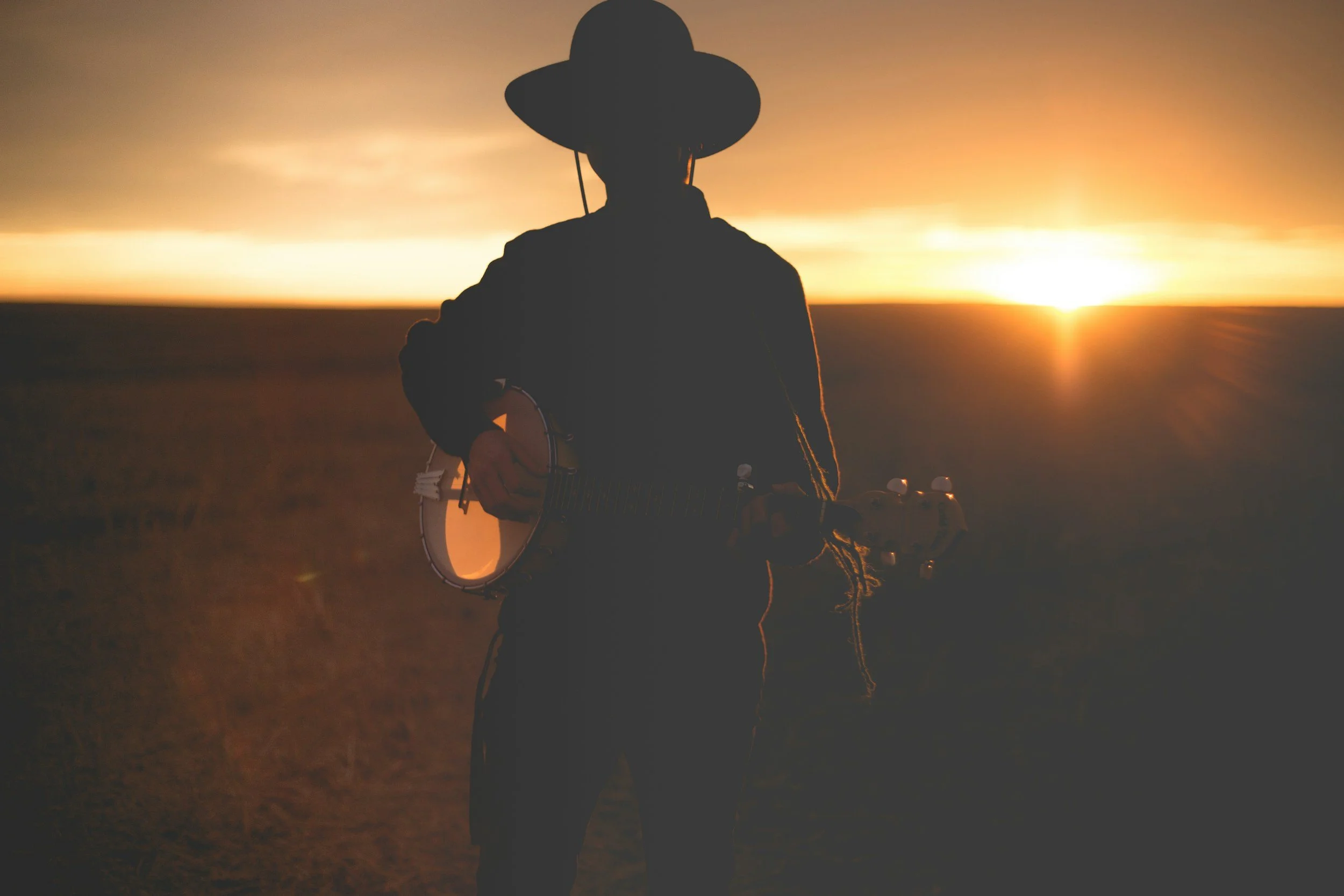
Drama Club seeks out black, latiné, LGBTQIA+, and emerging writers to host at Drama Club Camp, our annual Musical Theater Writer Residencies in Mount Vernon, Maine. While our application pool represents merely one self-selected group of writers, there are notable trends to be gleaned from the nearly 300 submissions we received this year. Here are a few of those trends:
Westerns.
There’s something in the zeitgeist that is leading writers to examine the rules and customs of the Old West. Many of the submissions using this setting/genre are doing so in subversive ways, highlighting queer narratives or black narratives within the historically straight white genre. What is it about the Old West that is speaking to us as artists? Perhaps the upcoming Broadway show WANTED will offer us an answer, as it seems to be the next best example of this genre. Can’t wait!
Immigration & Fascism Narratives.
Theater is where political activism happens, and this year, the political conversations in submissions were largely about Fascism and Immigration. Whether through the lens of a Game of Thrones-style political fantasy or an intimate, contemporary love story, theater artists are trying to make sense of a world that doesn’t make sense. Theater is a great place to do that, particularly when it allows the complexity of these issues to be examined rather than simplified.
Writing for the perception of what a non-profit theater wants (i.e., 2-5 person cast).
An overwhelming number of writers, when talking about why they are writing something, cited economic conditions facing small, regional, and non-profit theaters. Given that this is where most new work finds its sea legs, writers are creating work that they think theaters want - tiny, 2-5 person musicals. And yet… I wonder… is that really what these theaters want? Are writers making a presumption about what their buyers want? How can we get better information about what theaters want writers to be creating for audiences? As Exhibit A: point to five theaters that are programming a new musical every season. Is it a tiny show? Do those theaters even exist?
Emerging and formerly young writers from the COVID era are struggling to find footing.
There’s been much discussion at Drama Club about what it means to be emerging, and how there is a youth bias in much of the support provided to emerging writers. We are seeing a significant preponderance of writers in their mid-to-late 30s who were the ascendant class of Larson/Ebb/O’Neill/NAMT winners, and whose careers were stunted by COVID-19. These writers watched their careers screech to a halt, and when the world returned, attention had already shifted to the never-ending line of new, fresh-faced winners for producers to try and monetize. These incredibly talented writers are left wondering, 'What do I do now?' I’m still emerging, but I’m not a kid. These writers are RIPE to work hard and create excellent work. I’m leaning into them.
No one knows where they are going with their show besides a reading.
I ask writers what the pathway they aspire to for their show, and almost every answer is the same, “We are working to finish things in preparation for a 29-hour in the fall.”
Is the 29-hour reading the only way we develop work? Does it always have to cost 20-50K? Do writers understand that it costs that much? Do writers know what they want to get out of a reading? Is it always for producers? Is the reading itself the goal for the show? What else is there, either instead of or after a 29-hour reading?
So how might formerly young yet still emerging writers find footing? Where do we go other than a reading? What do regional non-profits actually want? How do we know? How do writers create of-the-moment work when it takes eight years to reach a stage? These and other questions are some that I’ll unpack in the coming weeks as I continue to evaluate writers for Camp 2026. I’ll also be announcing the 2026 Campers on March 1 at Drama.Club!